Project 2: Furry Teacup
1) Concept & Development
a) Initial notes/research
b) Sketches
c) Material explorations
2) Final 3-D prototype
3) Design Rationale:
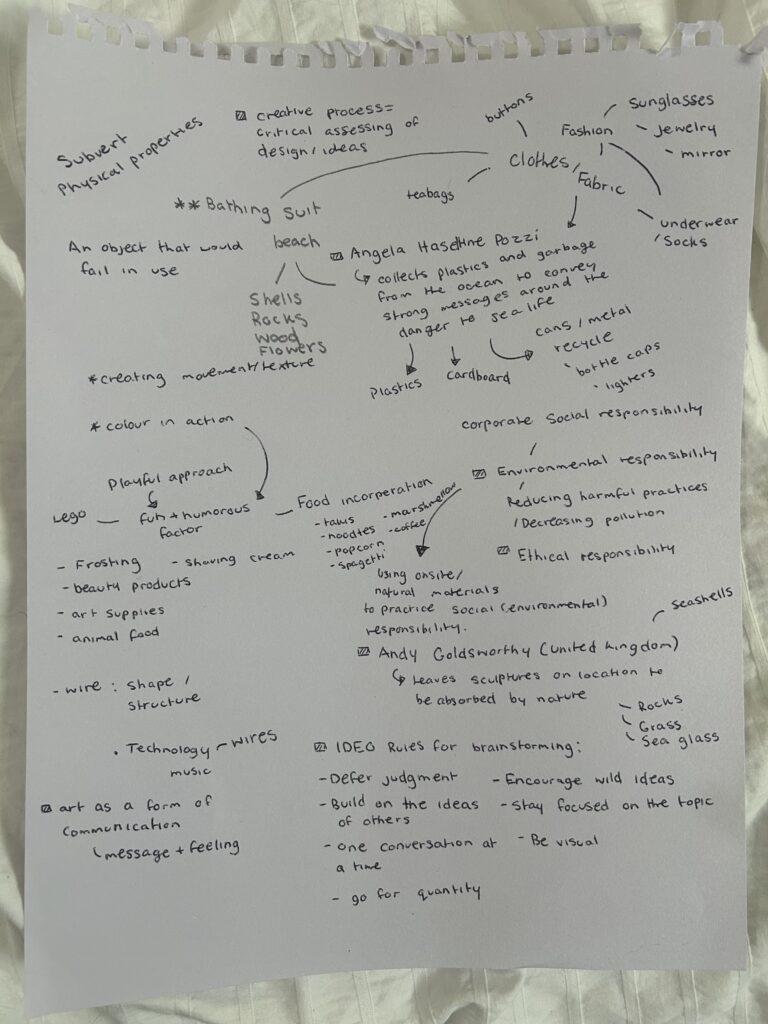
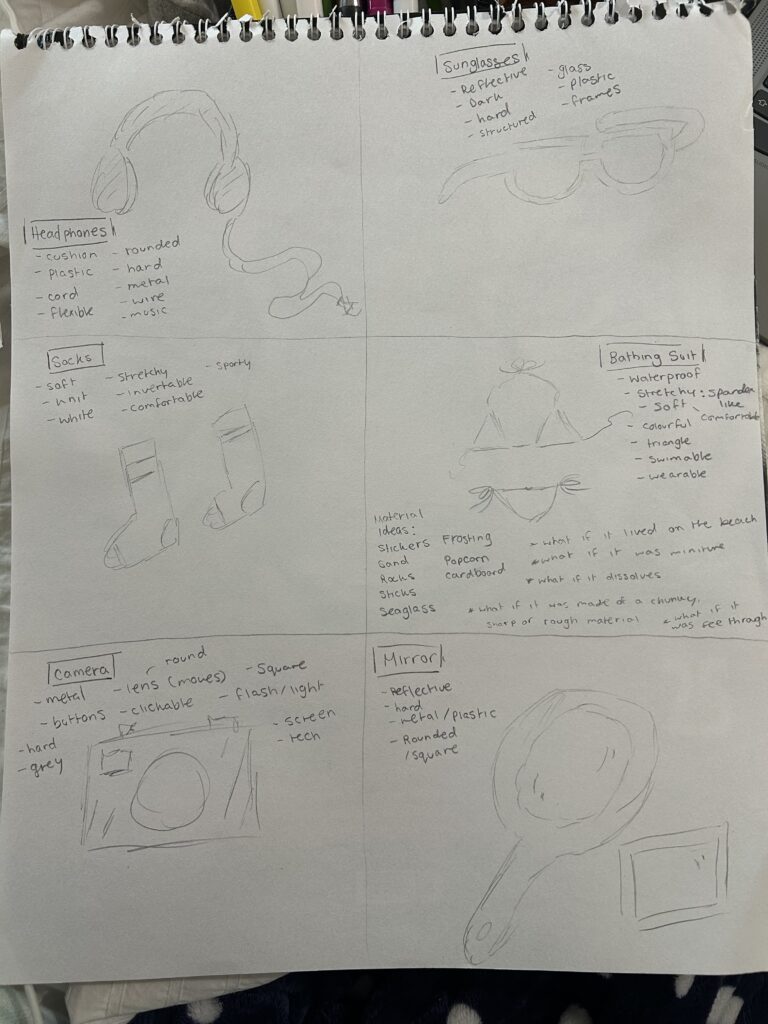
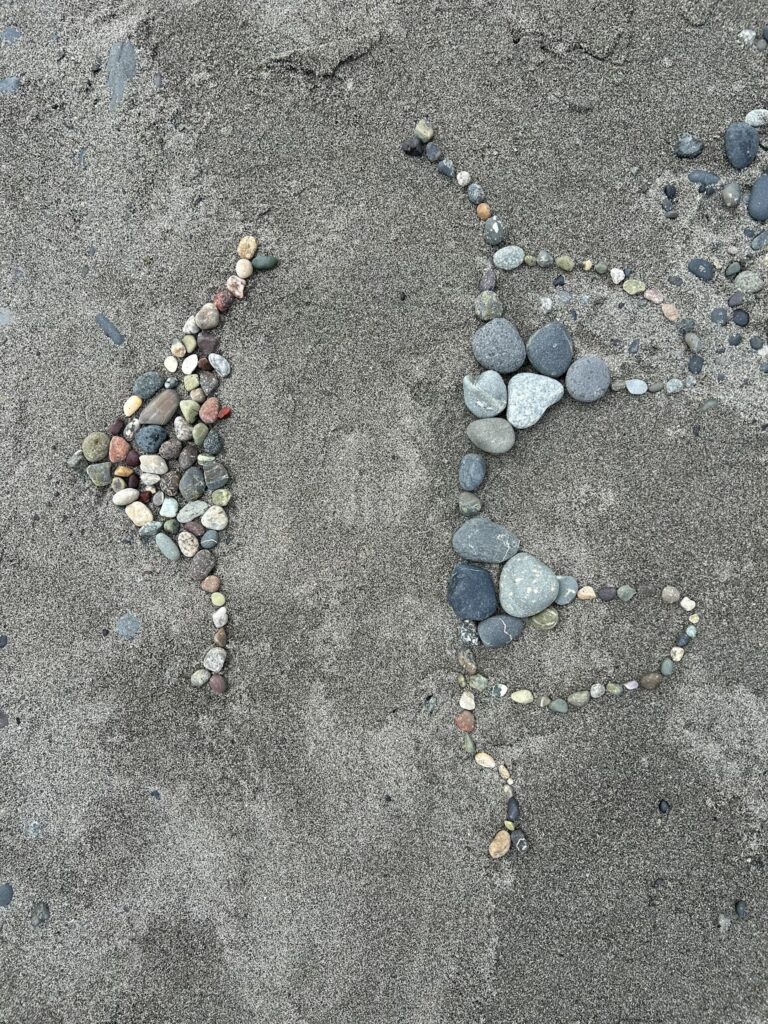
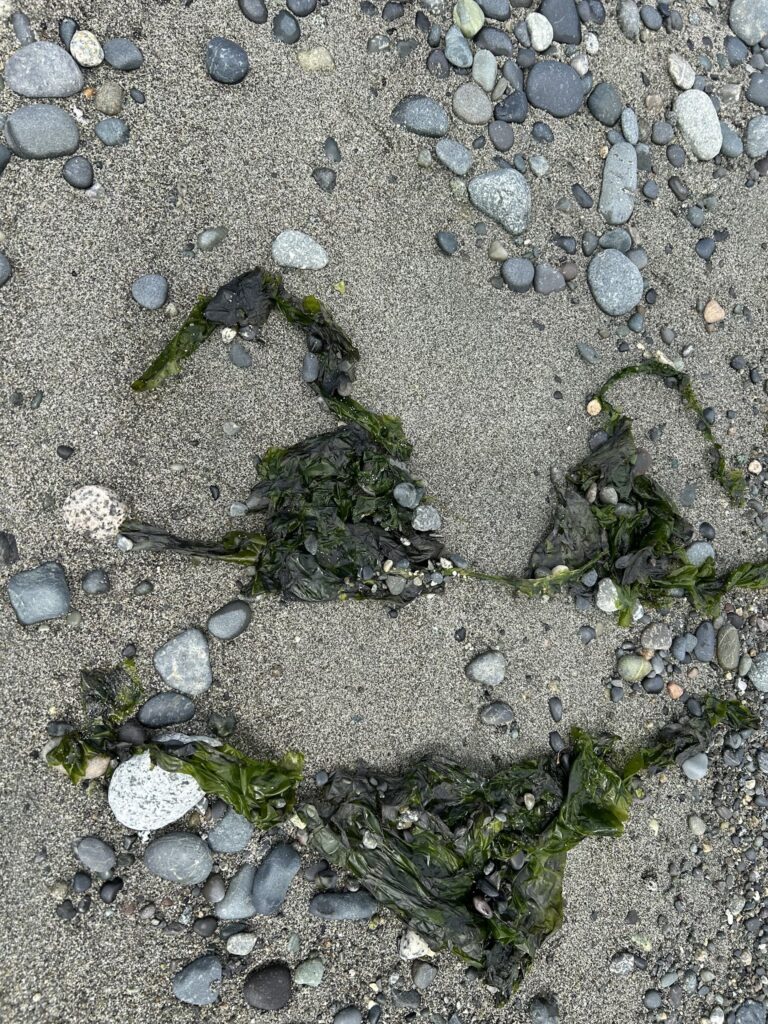
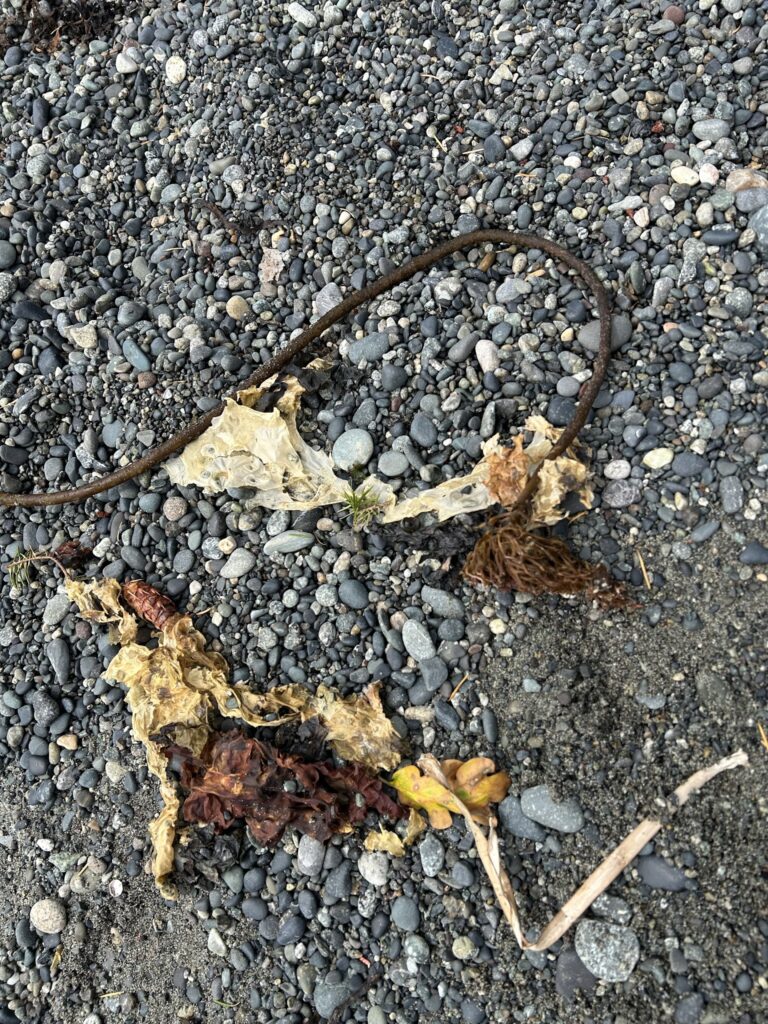
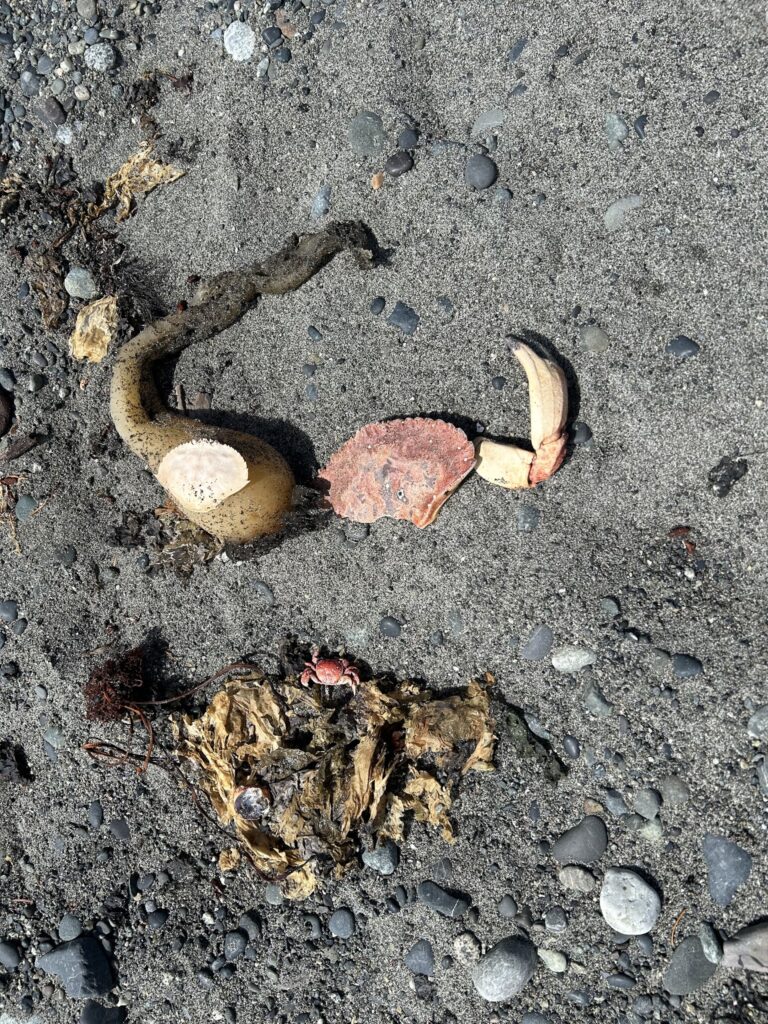
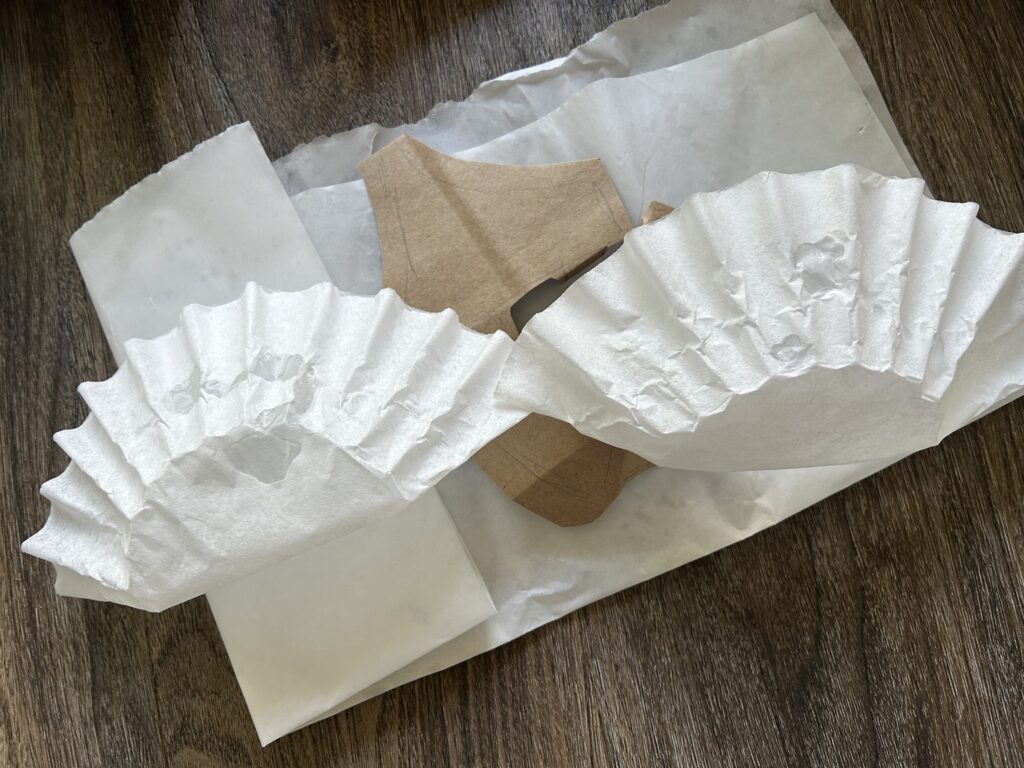
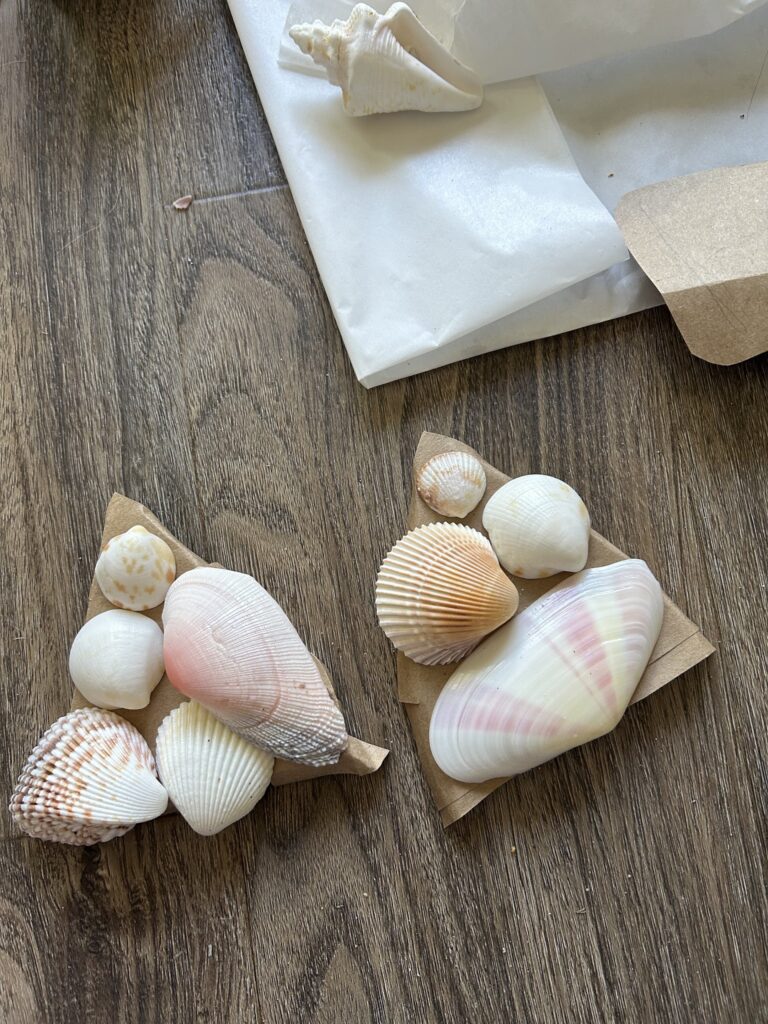
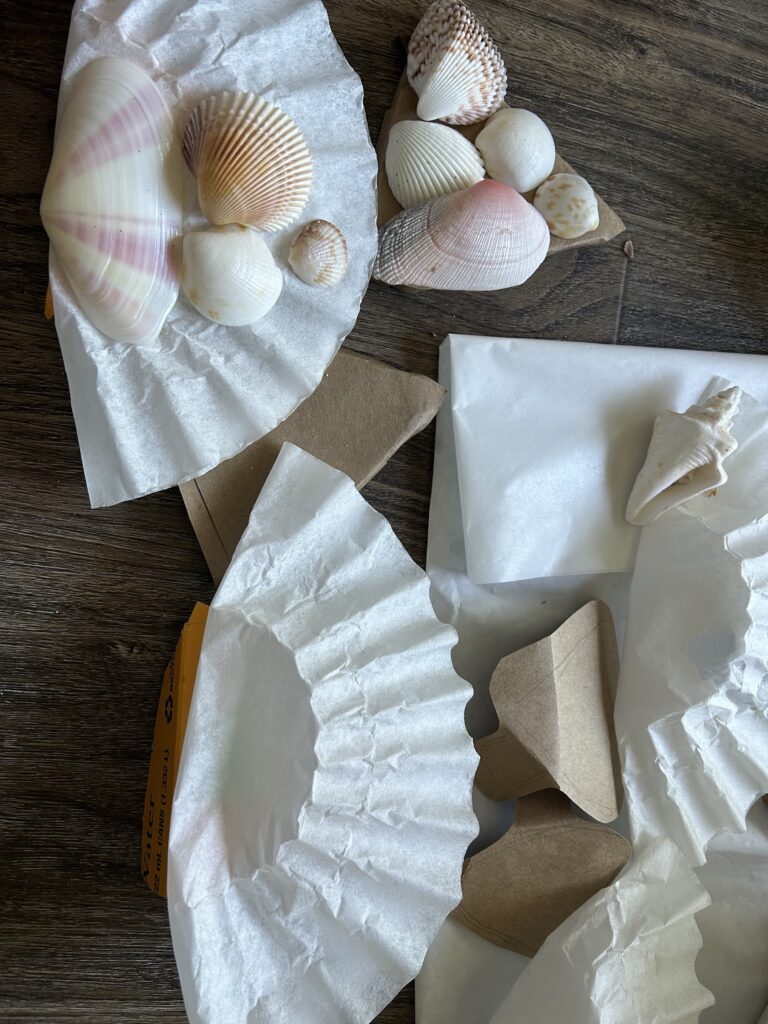
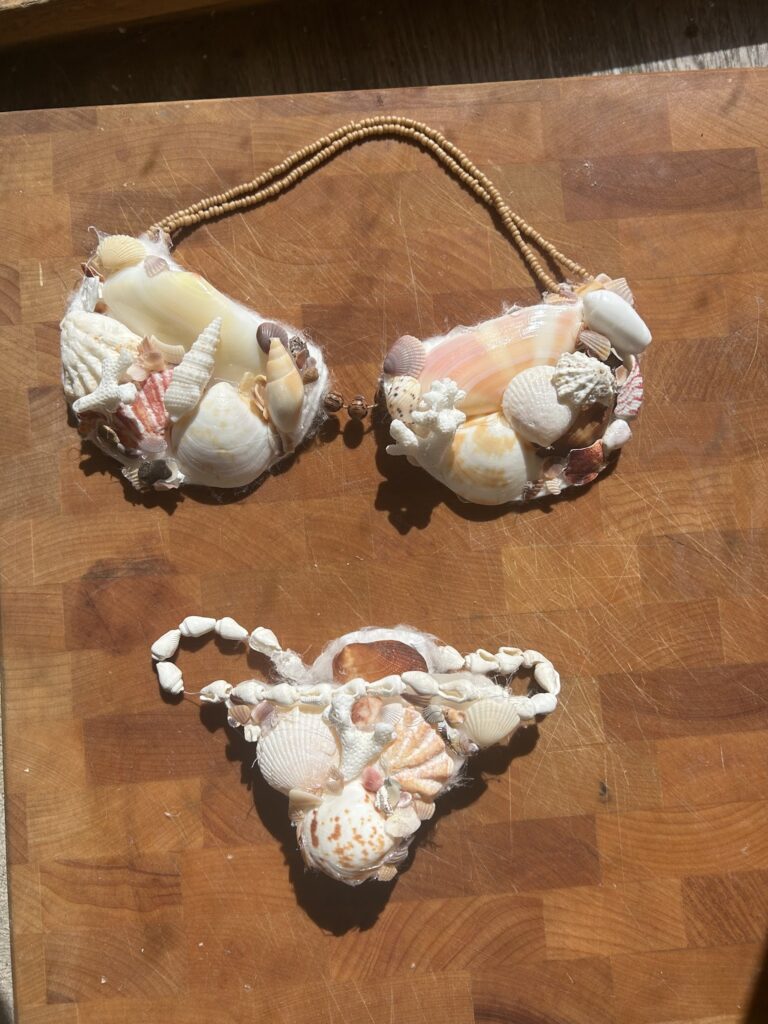
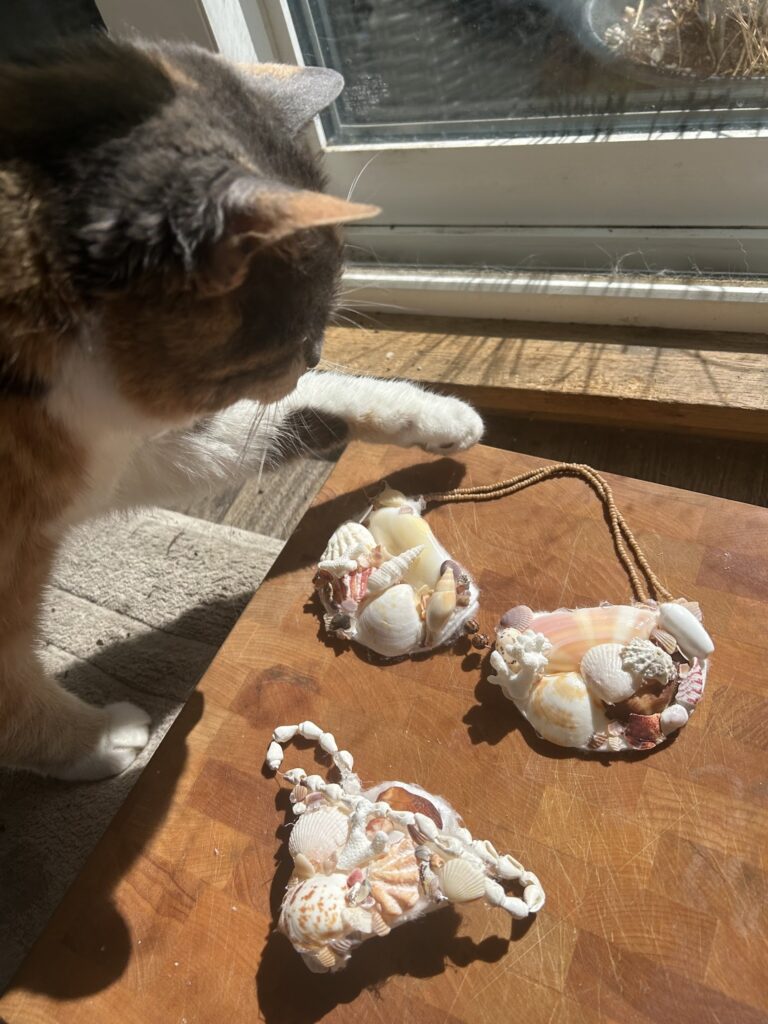
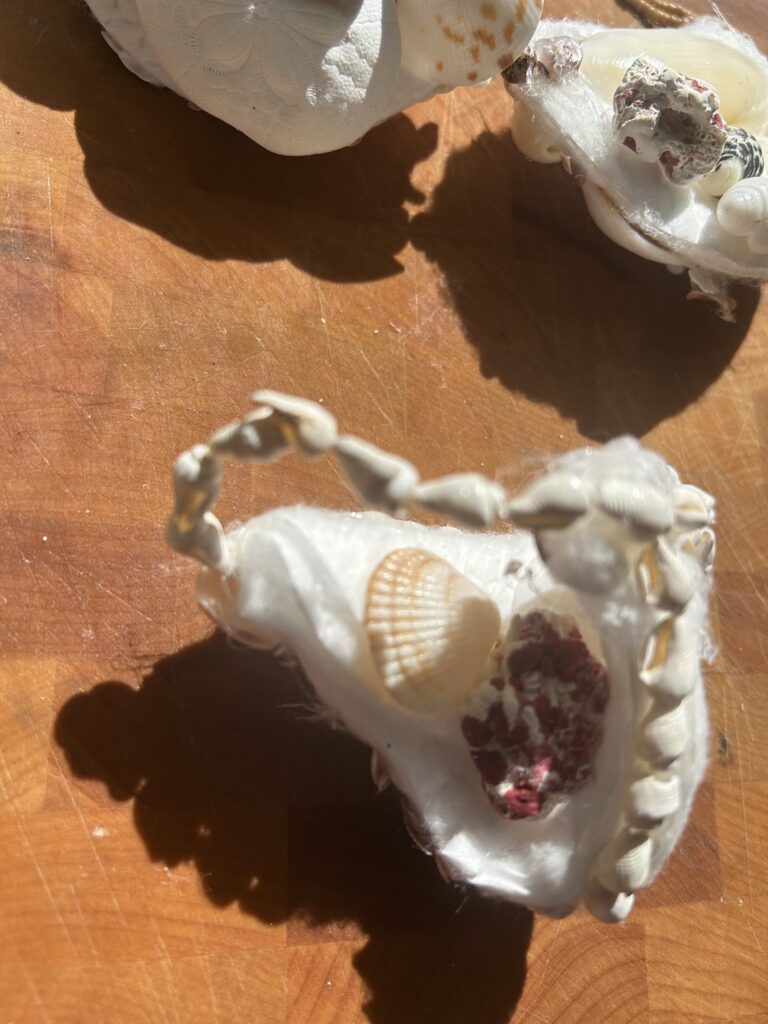
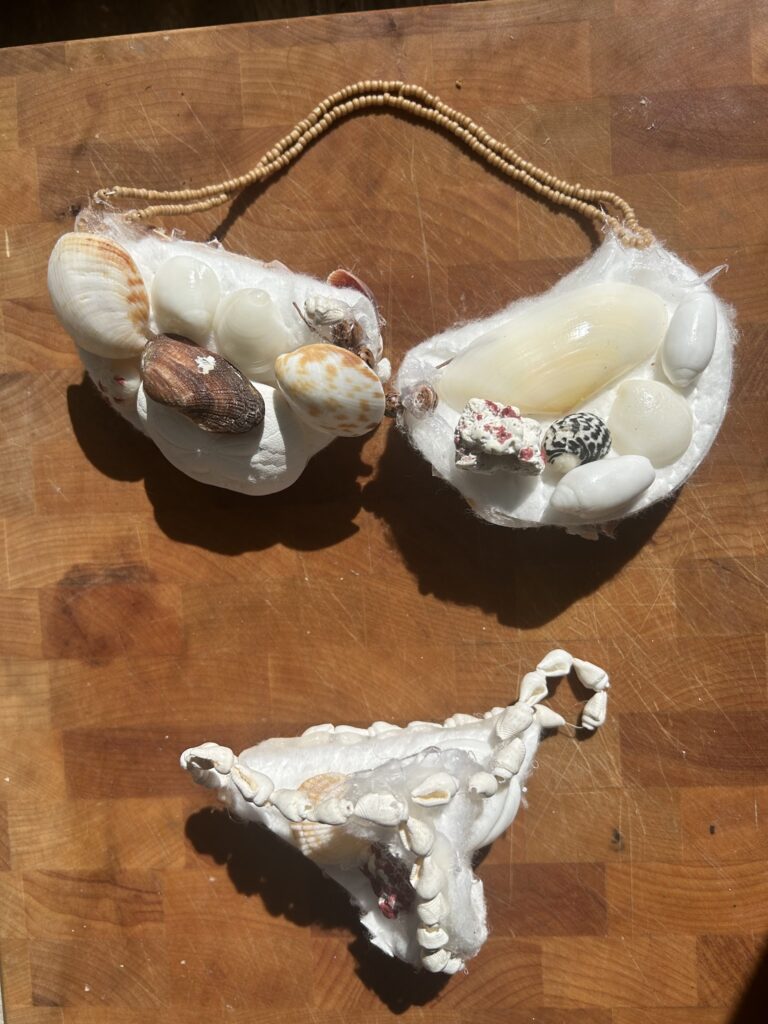
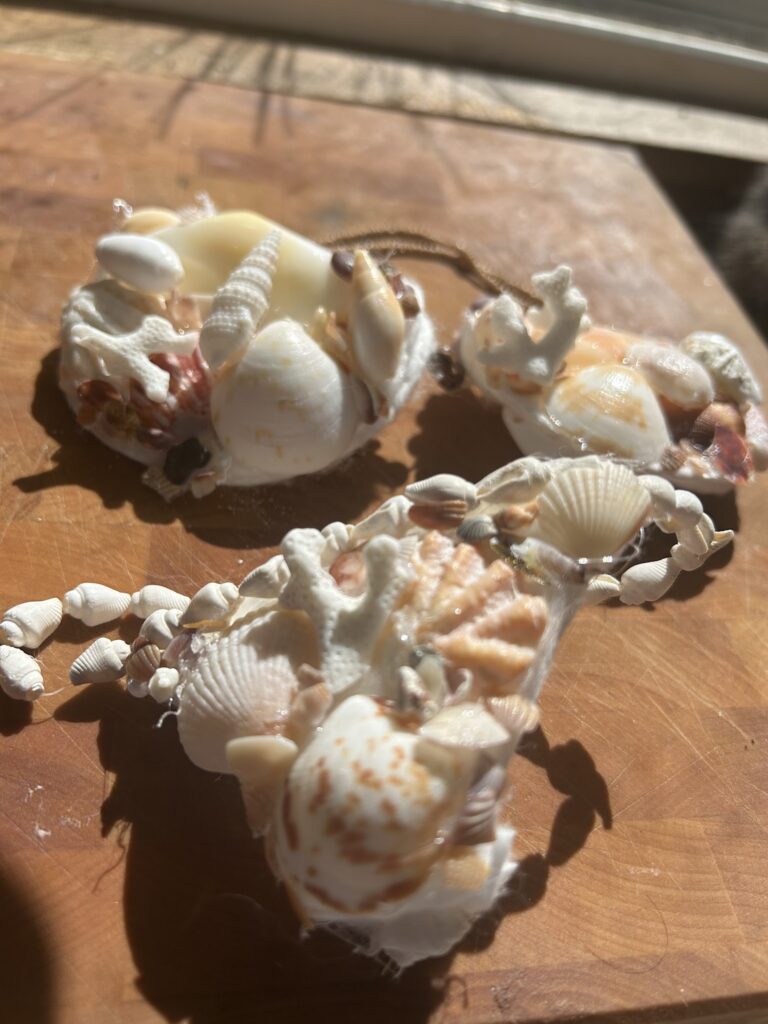
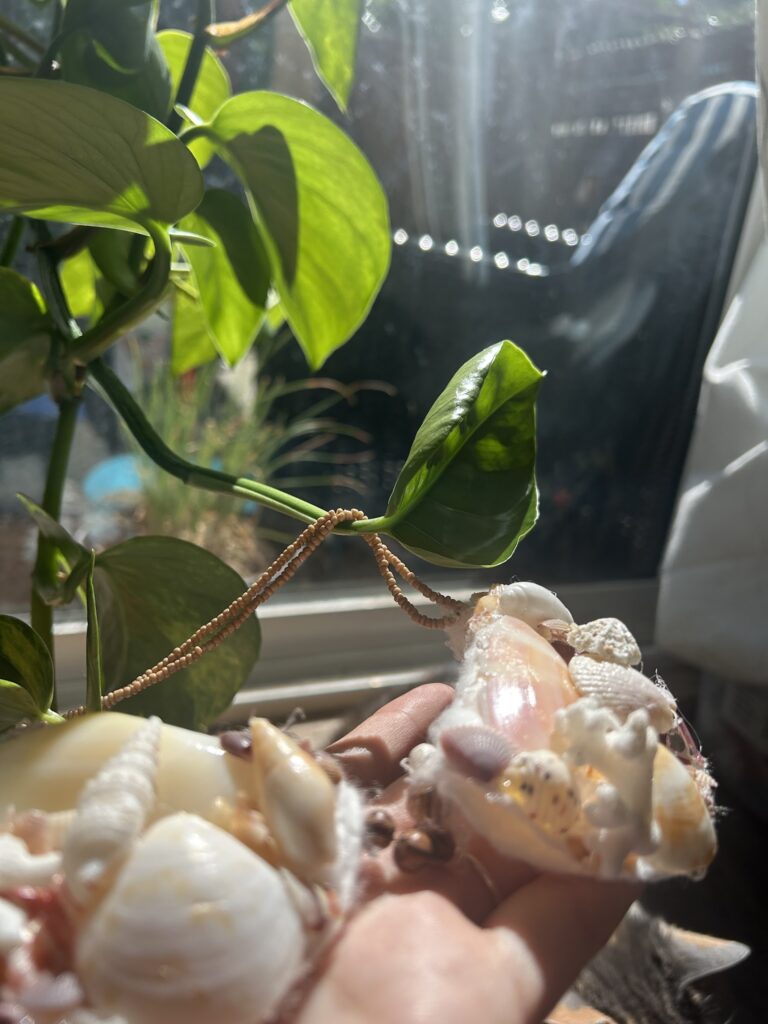
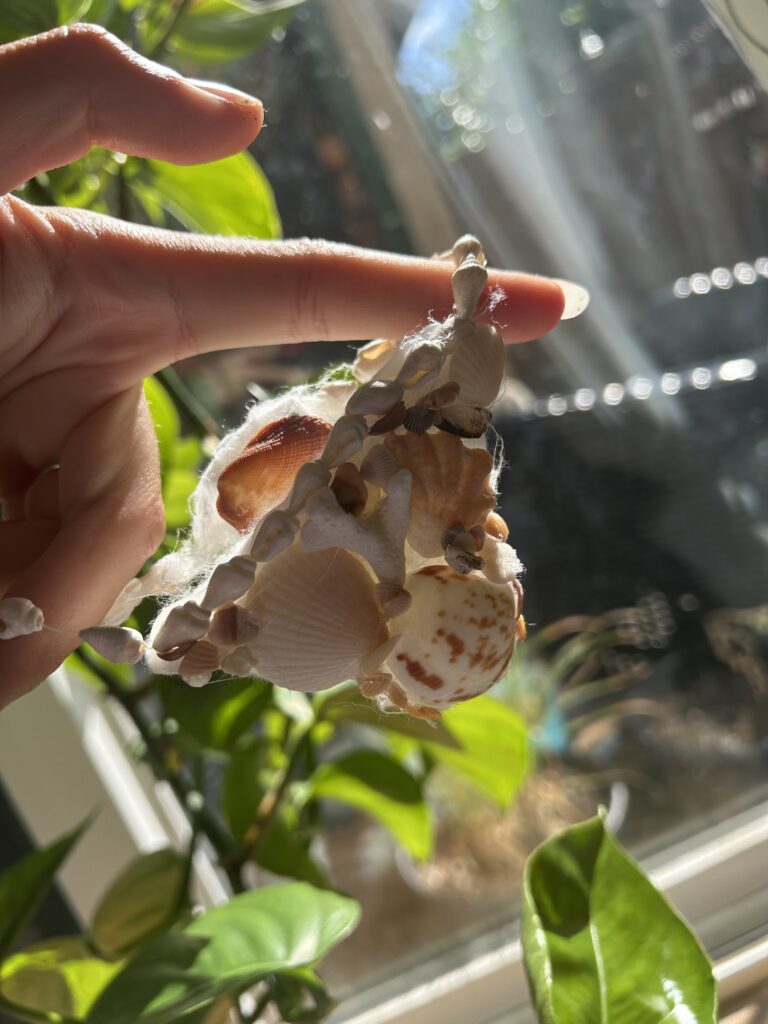
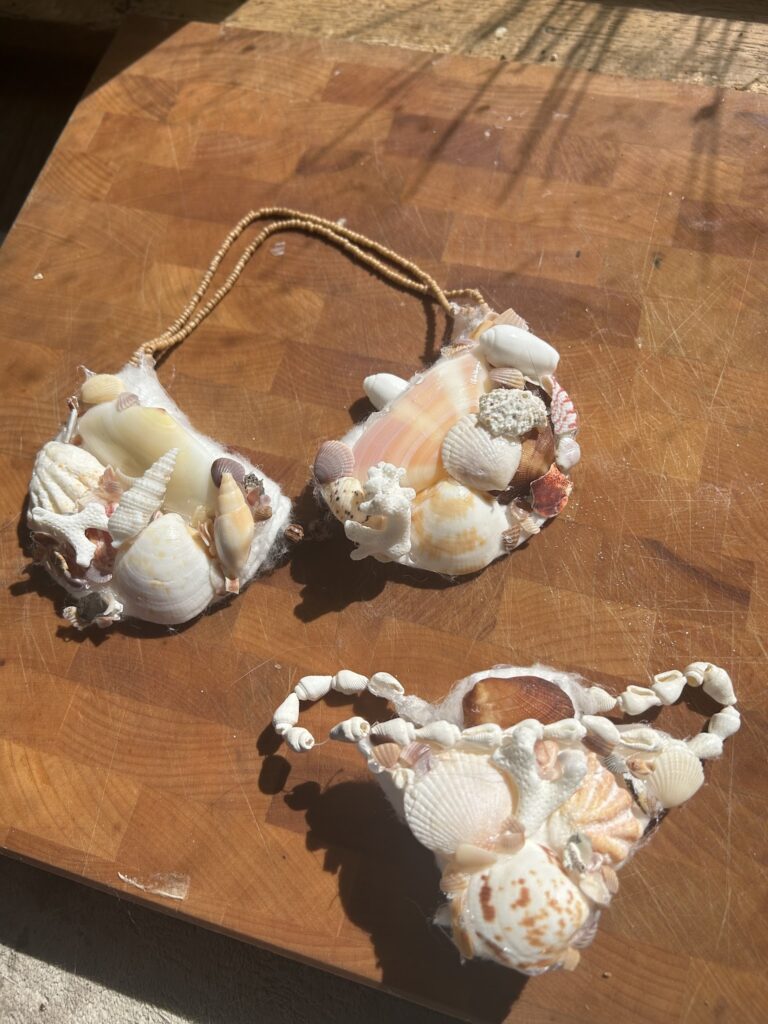
I started with a broad range of ideas and prototyping eventually honing in on creating a bikini with natural materials in mind considering two key artists for inspiration in relating my piece to environmental responsibility. Andy Goldsworthy inspired my approach to use natural objects on site which was one of my initial approaches working with rocks, seaweed and other found materials. I really admired the idea of the art being “absorbed by nature” as described in the course slides about her work. Angela Hoseltine Pozzi also sparked my interest in this process in considering ways I could incorporate recycled materials to convey a unique message within the sculpture. After my direct onsite explorations I explored using materials including cardboard, different paper, coffee filters and old cotton pads. I really wanted to enhance the 3D abilities and form of my design so I steered away from using just one material while practicing design thinking. I aimed to empathize with the general public in admiring natural materials, steering away from waste and literally having conversations with passer byers on the beach about using these materials in unique ways and the importance of representing this through art. In my define and ideate process I found myself trying different avenues of materials, layout and structure to showcase an effective piece that encourages thinking around using our surroundings in a sustainable way and encouraging this acknowledgement rather than consumerist approaches. My solution eventually formed into using what I had as “garbage” in my own home as one lady I talked to on the beach made this recommendation in collaboration with my natural material use. This idea pushed my creative thinking, tying into one of the recommended IDEO rules for brainstorming, “encouraging wild ideas” and “building on the ideas of others.” This also ended up making this process more personal and meaningful to my own creation. I was drawn towards using cotton pads in influencing the idea behind this sculpture’s impracticality as these would likely dissolve in water, making the bikini fail for its actual purpose, while also being covered in rigid, fragile seashells. I liked the idea of using a material that is opposite to being waterproof as this was a key property I aimed to subvert. The seashells layering this acted as the natural material inclusion to enhance the impact on the viewer and bring a whimsical or playful feeling. I used shells to play with the beach relation to a bikini and subvert the flexible, stretchy material you’re used to seeing. I wanted texture and colour to play a role in how the viewer connected with the pieces’ unusable beauty to push them to reconsider the relation of bikinis, seashells, the beach environment and maybe even mermaids. The use of a natural object to portray a material object made this sculpture feel impactful and thought provoking. This project taught me to be flexible within material use. It’s hard not to reach for what makes the most sense or what would look best but this project pushed me to think outside of the box and focus on having an open, changing mind throughout designing especially in going back and forth with different materials and exploring the use of natural materials within art. It was difficult to feel as though my sculpture would effectively challenge the viewers’ thinking of the original object but after connecting and consulting others on their views I confirmed that it was provoking new thinking or perspective. I also learned a lot about how different materials can act to tell stories to individuals which encouraged my testing of a range in local beach materials that I connected to.