This week I took a lesson that I had created and taught for my last practicum class to suit their needs, learners, and attention also aligning with both the grade 7 and 8 grade level as this was a split and tried to recreate a similar layout using the different AI programs to compare and get a true sense within comparison to something human made to see the true power and capabilities of AI in education at the moment to truly analyze if AI could take over a classroom or if these tools are worth integrating into classrooms as they are. The Lesson and those generated are each based off of a second lesson introducing tectonic plates in a hand on experimental approach that aligns with the BC 7/8 curriculum. My main question I hope to answer at this point is, can AI truly replicate the depth, creativity, and relational understanding of an original teacher’s lesson design?
In the context of my human made lesson I will say it was designed with the main focus of aligning to the BC curriculum and the class I was working with. It aimed to consider prioritizing group work, ESL students, FPPL, hands on simulation, prompting for reflection, and experiential exploration. On the other side it was very time consuming to create and prep, it took a lot of adaptability considerations, and scaffolding to fully involve diverse learners within the class.
Teacher Created Tectonic Plates Lesson Plan Here:
Prompt: “Please create a science lesson aligning with the BC curriculum for grade 7/8 on plate tectonics for a second more interactive lesson introducing the process.”
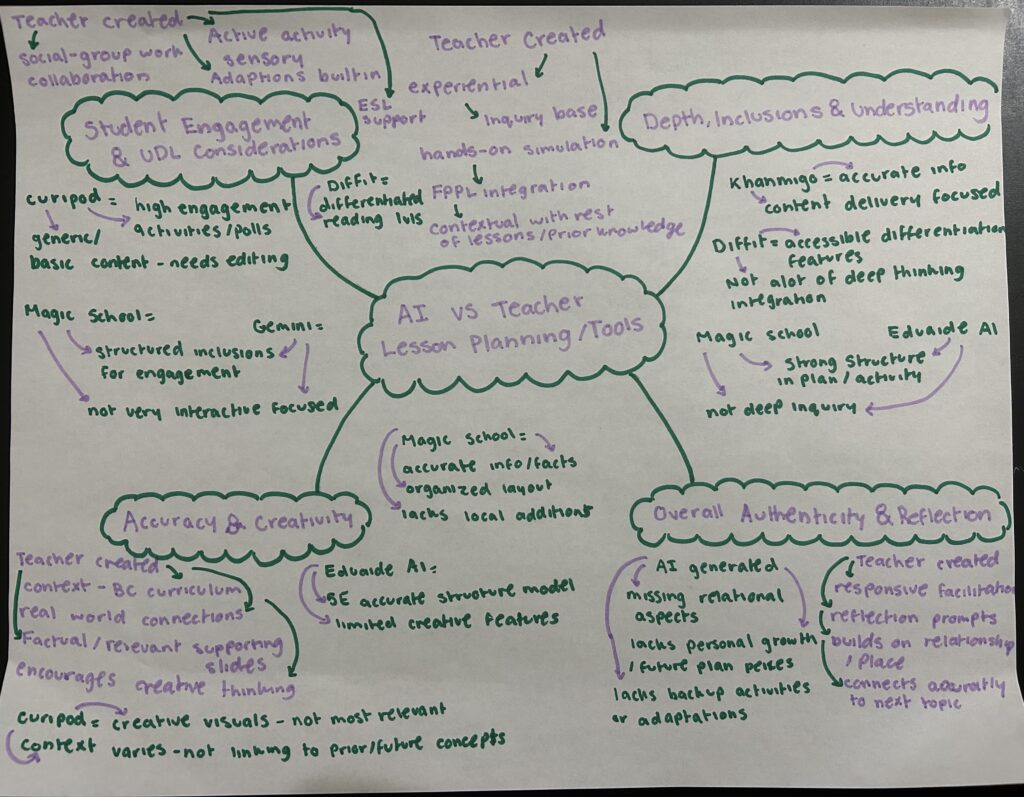
MagicSchool AI: Generated lesson plan here – This first program generated a clear and easy to follow plan with structure and a video hook, guided discussion prompts, along with a visual project students can interact with. It aligned with the prompt and seems teacher-ready to use however it did hold more basic or generic examples to share the concepts. It also lacks FPPL and deeper relevance or connections to place and cultural connections. It is also closely compliant to Canadian privacy regulations.
Eduaide: Generated Plan Here – On this program the lesson directly connected to the 5E inquiry model which is a strong core for creating a stable science lesson. It also included classroom management tips and prioritized student-led inquiry/ reasoning within the lesson. This lesson definitely kept the inquiry and student centred approach. On the other hand there wasn’t a lot of emphasis on scaffolding or accommodating towards different learners preferences. Eduaide follows U.S FERPA guidelines but does not clearly follow Canada’s guidelines so would not be safe for inputting any sort of personal or more specific data.
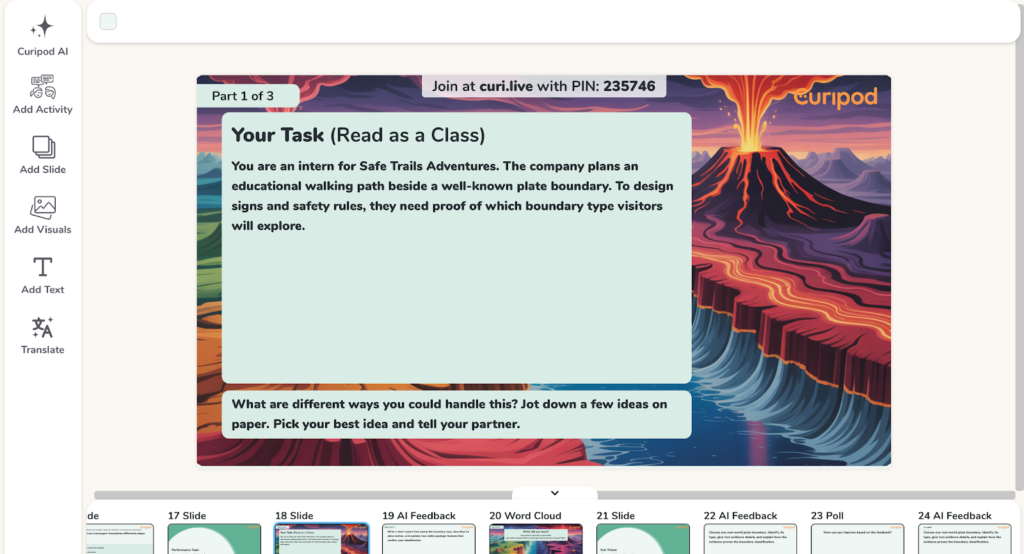
Curipod: This programs output was in the form of lesson slides again filled with interactive activities to follow along with. It takes a bit longer to generate completely but allowed me to easily go in to each slide to edit them how I wanted. These slides seemed ready to use as a base but did include some less realistic AI generated images and less relevant prompts at times. I also noticed that the activities involved a lot of writing for student which might be a consideration to those who may not learn best in this process being linked more on the language arts side. However, these integrations would work great for formatively assessing. This is also not fully regulated or approved by Canadian privacy and data guidelines.
Google Gemini for Education: Generated Lesson Plan – Googles AI system produced a lesson plan backed up by reliable resources. It made a clear outline but didn’t hold the most inquiry pieces or more reflective inclusions. The generation was very fast and this plan can easily be shared through google platforms. There may need to be edits within to encourage further engagement and relevant to classroom students. This program is compliant with the FIPPA and PIPEDA standards as data is stored on Canadian servers.
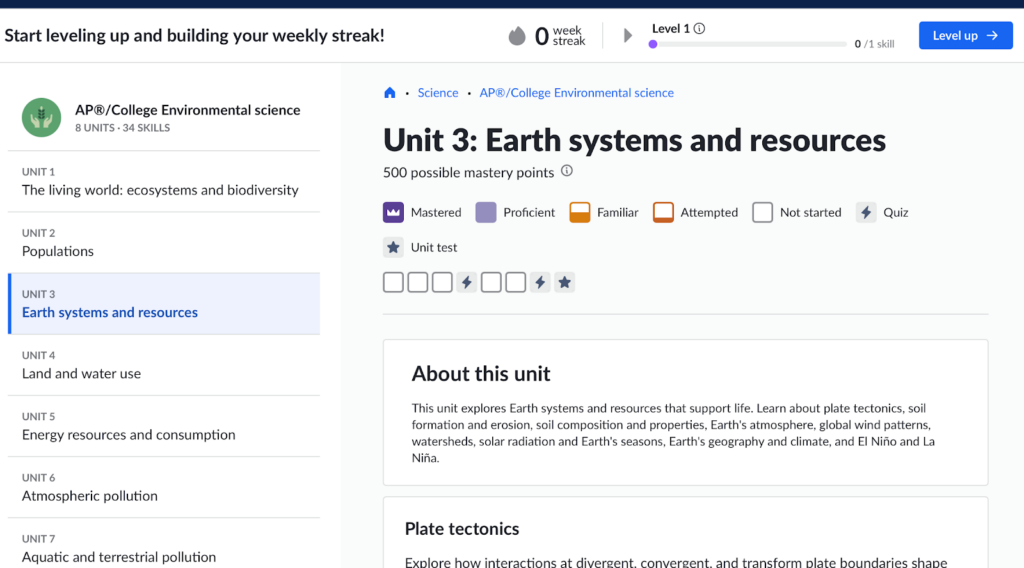
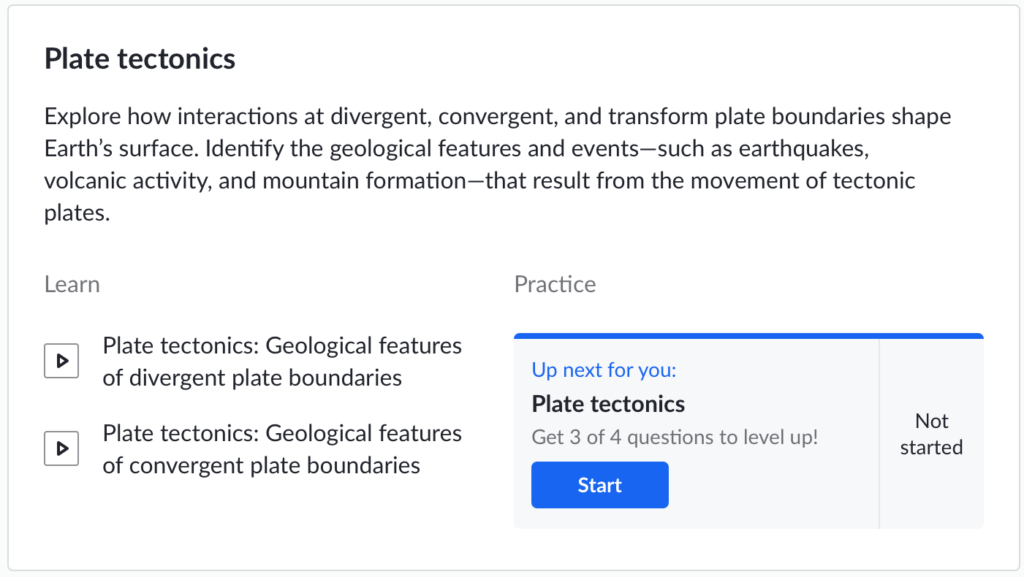
Khanmigo: This program is more centred around direct tutoring and support through lessons. Unfortunately I couldn’t access the full extent of its possibilities as the full resource isn’t available in Canada yet. I instead found a similar science pre made lesson to the prompt and went through its integrations. It did hold a lot of scaffolding opportunities and accessible pieces like text to speech within videos, multiple visual supports, and practice testing to help students prep and gain deeper understandings of the topics. The reinforcements of information are strong in my opinion. Yet there is limited choice and direction of concept as I dint get to generate my own plan and the specifics I wanted included. At the moment Khanmigo is partially compliant with Canadian privacy policies.
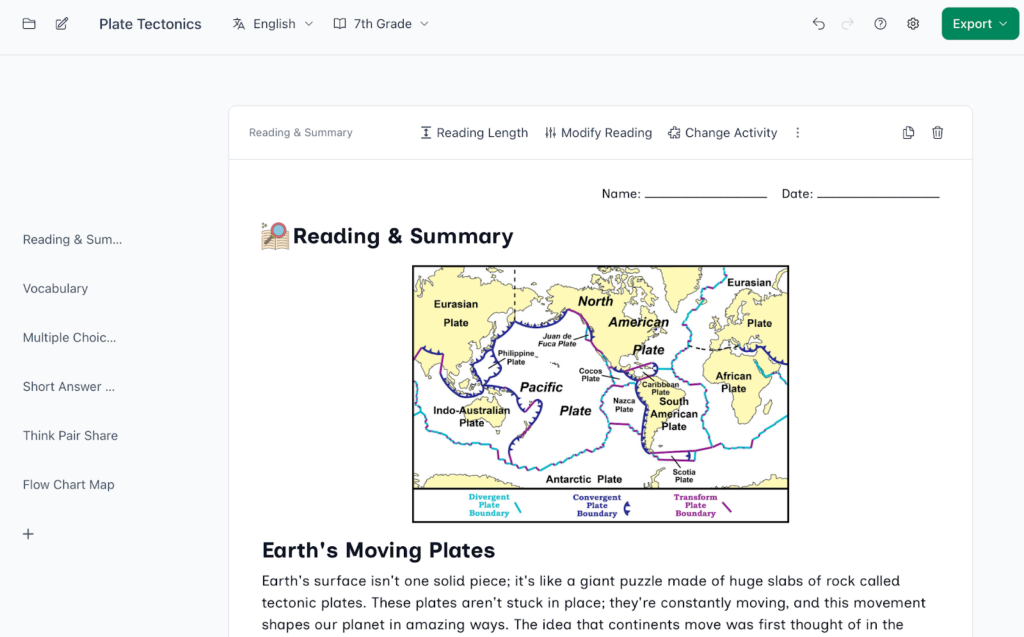
Diffit: Generated Lesson Here – This program formatted the lesson in more of a worksheet / activity format. It did provide more relevant images. This could have been strengthened if I provided more direct readings or guidelines for the creation process. It did include some differentiation with texts and activity matter which I think could be easily scaffolded. The worksheets aren’t the most creative or relational, concept and information wise. Yet it does allow for easy exporting to google docs. This program is not completely compliant to Canada privacy and data guidelines.
Mind Map of Final Comparison Observations:
Final Reflection:
From my extensive research and testing of a variety of education centred AI programs I have discovered many helpful and less reliable tools. I have gained a fuller understanding of why educators may steer away from using these but also what they would want and look for if they were to integrate these tools into the classroom. I have come to understand more of what AI focused schools like Alpha schools offer and how they approach this in a more successful way with structure, guided support, and flexibility in the ways students gain and share knowledge. From my testing processes I found Magic School AI to be the most useful, straightforward and practical as a teaching support tool. However, I also found that none of these tools could compete successfully to a human-made and centred plan as this is something that gets developed with so many complex considerations. The Khanmigo set up seemed the most practical for a student learning in an online way or with direct support from the AI in this process but as an educator not being able to directly tailor these lessons would be a challenge. With this in mind I would have to say that I don’t see AI systems taking over or fully running and replacing educators anytime soon. I can see them being integrated into schools through educators use of specific tools or supporting students in this way and will continue to look into schools like Alpha school who are using it as an academic foundation and support through tutoring and certain personalization considerations to track developments and strengthen this possibility.